Walking a reactive dog
Route planning, distance, and how to pass another dog without drama
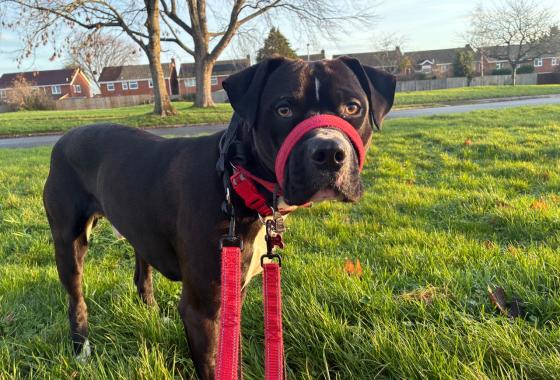
A reactive dog isn't a naughty dog. It's a dog whose alarm system is set a little too sensitive. Your job is to turn the volume down, not fight it.
Reactive dogs are prone to barking, lunging, or freezing at other dogs, people, bikes, or traffic. They are more common than owners think, and the key to managing this reactivity comes down to route planning and distance.
Route planning is half the work
More important than any single training session is regularly choosing quieter times and routes, knowing which lanes have wide verges and which have blind corners, and planning ahead on your route (for example, an exit plan such as a gate to duck through if needed).
Managing a threshold distance
Most reactive dogs have a threshold distance at which they notice a trigger, but can still think clearly (and take a treat). Carefully managing this distance, and rewarding calm, is what gradually expands a reactive dog's ability to stay calm..
Leads on and distance kept from livestock and other walkers alike. A reactive dog on a long line still needs the same courtesy around farm animals as any other.
Want a calmer pair of hands on the lead?
Solo walks mean no other dogs to manage in the moment, which suits many reactive dogs better than a group session.