Puppies and older dogs
How far is far enough at either end of a dog's life?
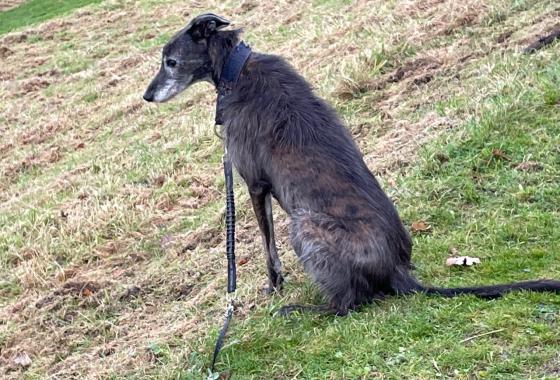
A well paced walk that ends well teaches a puppy more than a long walk ending with exhaustion.
The correct amount of exercise looks different, at eight weeks or eight years. Getting it right in either case is important.
Puppies: gradual increases in exercise
Over-exercising a growing puppy can strain developing joints. A commonly used rough guide is: around five minutes of structured walking per month of age, twice a day, until growth plates close. The optimum does vary by breed and size, so ask your vet to confirm what is right for your particular puppy.
Older dogs: allowing for rest, and monitoring for changes
Walks that include time for rest, to take in the sights and scents along the way, often suit an older dog better than one long trek. Watch for slowing down, stiffness after rest, or reluctance on stairs and hills. Any distinct change in normal walking pattern is worth mentioning at the next vet visit, rather than writing it off as just getting old.
Puppy walks or gentle senior strolls?
Both get the same one-on-one attention and a pace suited to your dog, not a fixed hour on the clock.