Lead work and recall
Loose-lead walking and a recall that holds up when it counts
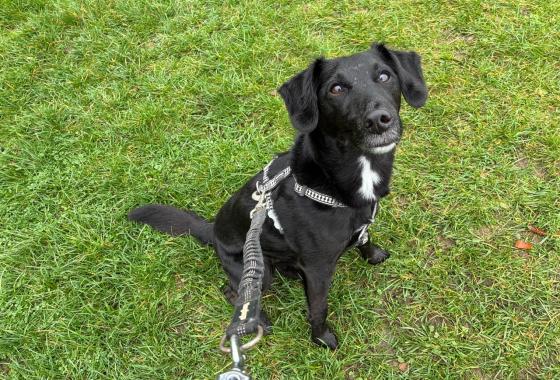
Recall is not in-born obedience. It is a habit that your dog has been taught well, hundreds of times, in easy places before hard ones.
Most dogs who ignore a recall have learnt through experience that coming back ends the fun. The lead goes on, the freedom and exploration stops, and home happens. Turn this lesson around, and everything else follows.
Before you unclip
Practice on a long lead first, somewhere quiet, with something your dog genuinely loves (for example, cheese not biscuits). Call once, in a bright voice, and reward generously the moment your dog turn towards you. This turn, rather than arrival back to your side, is the key behaviour you are teaching.
The pulling problem
A dog pulls because it works. Stop the moment the lead tightens, wait for any slack, then move off again. This can be tedious for the first week and then it is not, and a well-fitted Y-harness makes it far kinder while you get there.
Give scent exploration time too. Ten minutes of hedgerow investigation can tire a dog more than a brisk mile, and a dog who has been allowed to use its nose freely walks more calmly on the way home.
Keep leads on around livestock, always, however good recall is. Ground-nesting birds need the same courtesy between March and August. Always keep a closed gate firmly closed behind you.
Rather have someone else do the walking?
Solo and small-group countryside walks across the local area, with update notes after every one.